Hong Kong RWA (Real-World Asset) Tokenization: How Can Enterprises Use Blockchain for New Financing?
Traditional financing involves high costs and long processes. Real-World Asset (RWA) tokenization offers enterprises a more flexible capital avenue. As an international Web3 hub, Hong Kong provides fertile ground for blockchain-based corporate financing thanks to its clear regulatory framework. Through cutting-edge blockchain applications, enterprises can convert assets like real estate and bonds into on-chain tokens, significantly unlocking market liquidity and seamlessly connecting blockchain financing with blockchain investment. This article provides an in-depth breakdown of RWA operational mechanisms and compliant issuance steps, helping you seize tokenized financing opportunities and open new funding channels.
What is RWA? An Analysis of Blockchain Applications in Real-World Asset Tokenization
Differences Between Tokenization and Traditional Asset Securitization
Traditional securitization relies on multiple intermediaries, involving cumbersome processes and high costs. As a cutting-edge blockchain application, RWA tokenization uses smart contracts to automate terms, enables asset fractionalization, and significantly lowers investment barriers and issuance costs.
Common Types of Tokenizable Real-World Assets
Common RWAs in the market include commercial real estate, government or corporate bonds, private equity, and even artwork. Any real-world asset with clear value can be converted into on-chain tokens.
Development Opportunities in the Hong Kong Real-World Asset Market
Hong Kong’s Advantages as a Virtual Asset Hub
Hong Kong possesses a robust Common Law system and a forward-looking Securities and Futures Commission (SFC) regulatory framework, providing a clear compliance path for virtual asset development and attracting global capital.
Growing Demand for RWA from Institutional and Retail Investors
As the market matures, more investors are seeking to allocate capital to assets with tangible backing. This fusion of virtual and real-world blockchain investment models perfectly meets the market's dual demand for stable returns.
How Tokenized Financing Enhances Capital Efficiency and Liquidity
Tokenized financing breaks through geographical and traditional trading hour constraints, enabling 24/7 trading and accelerating settlement cycles, thereby significantly enhancing the liquidity of illiquid assets.
Blockchain-Based Corporate Financing: How to Design a Tokenized Financing Solution?
Step 1: Select assets suitable for tokenization
The first step in promoting blockchain-based corporate financing is to select assets with clear titles, objective valuations, and stable cash flows.
Step 2: Design a compliant tokenized financing structure
Enterprises must collaborate with legal advisors to ensure that asset ownership and rights to the benefits underlying the tokens are legally valid both in the real world and on-chain.
Step 3: Select a regulated issuance and trading platform
Partner with compliant institutions holding relevant licenses to ensure the minting, issuance, and subsequent trading of tokens meet regulatory requirements.
Step 4: Asset custody and investor protection
Utilize third-party institutions with custodial qualifications for asset and fund custody to protect investors from issuer default risks.
Common Assets and Application Scenarios for Tokenized Financing
Real Estate Tokenization
Fragmenting revenue rights of high-value property projects into small tokens, allowing investors to participate in top-tier real estate investment while enabling developers to quickly recoup capital.
Bond and Fixed Income Product Tokenization
Issuing bonds via blockchain eliminates cumbersome clearing-house procedures, enabling delivery-versus-payment (DVP) settlement in real time.
Private Equity and Equity Tokenization
Traditional private equity funds have long lock-up periods. Tokenization allows for share transfers on secondary markets, providing earlier investors with more flexible exit mechanisms.
Advantages and Risks of Blockchain Investment and Financing
Core Advantages of Tokenized Financing
Blockchain financing removes unnecessary intermediaries, improves transparency, and realizes automated dividend distribution and compliance audits through programmable features.
Risks for Enterprises and Investors
Includes smart contract code vulnerabilities, insufficient secondary market liquidity, and the risk of changing regulatory policies on crypto-assets across different jurisdictions.
Considerations for Compliant RWA Financing in Hong Kong
How Enterprises Can Safely Issue Tokenized Assets
Issuers should conduct strict due diligence and implement Anti-Money Laundering (AML) and Know Your Customer (KYC) procedures to ensure the token sale is legal and compliant.
Legal Role of Licensed Intermediaries in RWA Issuance and Distribution
Licensed brokers act as gatekeepers, responsible for reviewing project quality, underwriting tokens, and providing investors with legally protected distribution channels.
Why Choose Victory Securities?
Licensed Brokerage Framework for Virtual Asset Trading in Hong Kong
Victory Securities possesses the relevant licenses issued by the Hong Kong SFC, providing comprehensive and compliant virtual asset trading and advisory services.
Strict Cross-Border Compliance and Risk Control
We have established a robust risk management system to ensure that fund flows and asset issuance comply with Hong Kong and international regulatory standards.
Clear Understanding of "Investor Suitability"
Our professional team can accurately assess investor backgrounds, match corporate projects with suitable Professional Investor (PI) clients, and reduce compliance risks.
Compliant Cash Flow and Settlement Efficiency
Through regulated settlement channels, we ensure rapid and accurate fund settlement, improving the operational efficiency of the overall issuance and trading process.
Direct Bank Transfers, No Third-Party OTC Required
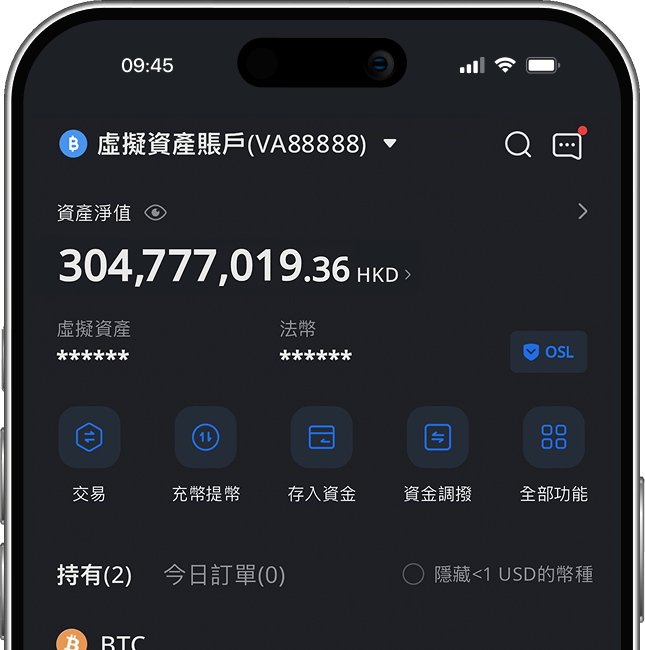
For Hong Kong investors, Victory Securities offers a more robust choice beyond virtual asset exchanges. As the first licensed broker in Hong Kong to obtain retail virtual asset trading qualifications, Victory Securities allows users to trade both HK/US stocks and cryptocurrencies via the VictoryX App. Compared to traditional exchanges, its advantages lie in regulated fund transfer processes and seamless integration with the traditional banking system, providing investors with a more transparent experience for funding and trading.
FAQs
Is RWA tokenization only for large enterprises?
Not necessarily. While large projects are more visible, SMEs can also lower issuance barriers and conduct flexible financing for specific quality projects.
How should enterprises choose a suitable blockchain financing platform?
Primary considerations include platform compliance (whether it holds an SFC license), technical security, track record of past issuances, and market distribution network.
What are the legal differences between tokenized securities and traditional securities?
Under Hong Kong law, the fundamental rights are similar. The main difference lies in tokenized securities, which use Distributed Ledger Technology (DLT) as the medium for recording ownership.